
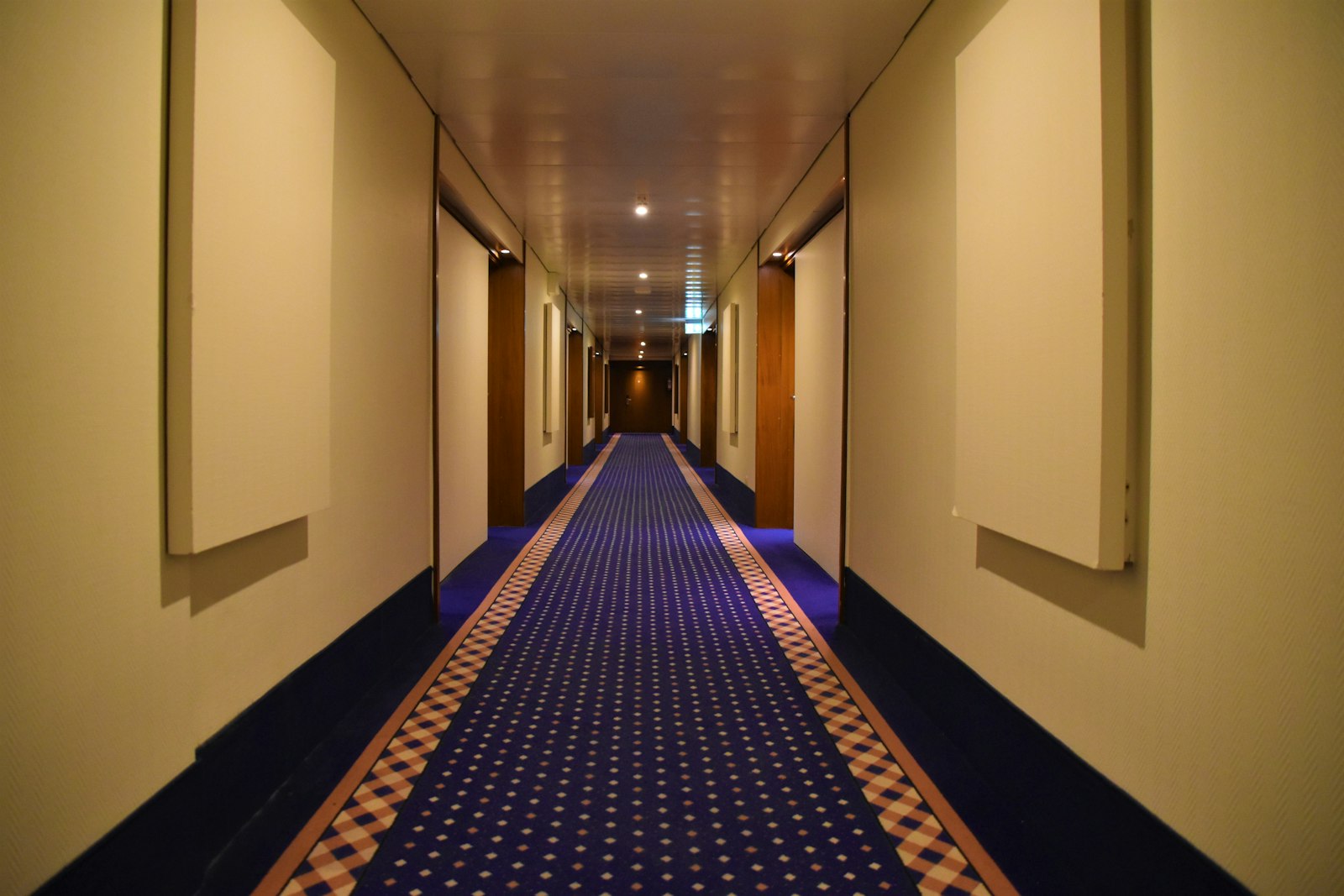
A few simple habits go a long way when you’re staying somewhere new on your own. Here’s what to do before you book, at check-in and in your room.
At a glance
- Choose a hotel in a well-lit, busy area with good reviews from solo travelers, and plan how you’ll arrive.
- At check-in, keep your room number private and ask for a new key if it’s said out loud.
- Use every lock on the door, learn the route to the nearest fire exit and keep valuables in the safe.
- For international trips, check official travel advisories, such as those on travel.state.gov, before you go.
Traveling alone can be wonderful, and most hotel stays pass without a problem. Still, a few habits make it easier to feel at ease in an unfamiliar place. None of them guarantee safety, but together they reduce common risks and help you respond calmly if something feels off.
Before you book
- Choose the area carefully. Look for a well-lit, busy neighborhood with good transit links. Our guide to choosing a hotel location explains how to check a street before you book.
- Read reviews from solo travelers, looking for comments about how secure the hotel felt.
- Check the entrance setup. Hotels where rooms open onto interior hallways and the front desk is staffed around the clock are often preferred by solo travelers.
- Look at official advice for international destinations. US travelers can find advisories and register trips through the State Department’s travel site, travel.state.gov.
Plan your arrival
Arriving in daylight makes a new place easier to navigate, though it isn’t always possible. If you’ll arrive late:
- Map the route from the airport or station in advance.
- Use licensed taxis or official ride services, and check the vehicle details before getting in.
- Let the hotel know your arrival time so your room is held.
- Share your plans with someone at home.
At check-in
- Keep your room number private. If the front desk says it aloud in a busy lobby, ask quietly for a different room.
- Take a business card or note the hotel’s phone number, so you can always find your way back or call ahead.
- Ask about the safest route to nearby restaurants or transit if you’re unsure.
In your room
- Check the door locks as soon as you enter, and use the deadbolt and security latch whenever you’re inside.
- Find the fire exits. Walk to the nearest stairwell and count the doors from your room, which helps if visibility is poor.
- Use the safe for your passport, spare cards and small electronics.
- Keep the curtains closed on ground-floor rooms.
- Verify unexpected visitors by calling the front desk before opening the door.
Some solo travelers also pack a portable door stop or travel lock for extra peace of mind. Our hotel packing list covers other small items worth bringing.
Good to know
Hanging the “Do Not Disturb” sign while you’re out can suggest the room is occupied, but it also means housekeeping won’t come in. Decide which matters more for your stay.
Out and about
- Carry only the cards and cash you need for the day, and leave the rest in the safe.
- Keep the hotel’s address saved on your phone and written down.
- Trust your instincts. If a situation feels wrong, leave and head somewhere busy.
- Check in with someone at home at agreed times.
A quick safety checklist
- Book in a busy, well-lit area with good reviews from solo travelers.
- Plan your arrival route and timing.
- Keep your room number private at check-in.
- Use all door locks and verify unexpected visitors.
- Learn the route to the nearest fire exit.
- Store valuables in the safe.
- Share your plans with someone you trust.
The bottom line
A little preparation before you book, at check-in and in your room makes solo hotel stays more comfortable. Combine these habits with official travel advice for your destination, and you’ll spend less time worrying and more time enjoying the trip.
Frequently asked questions
Is it safer to stay on a higher floor?
Many travelers prefer rooms above the ground floor and close to, but not right next to, the elevators. Very high floors can take longer to evacuate, so balance the two and know your exit route.
Should I use the hotel safe?
For passports, spare cards and small electronics, it’s a sensible choice. Set your own code and don’t leave valuables in plain view.
What should I do if someone knocks claiming to be staff?
If you didn’t request anything, call the front desk to confirm before opening the door.